
Why Do Used Cars from Japan Have Such Low Mileage? 7 Key Reasons
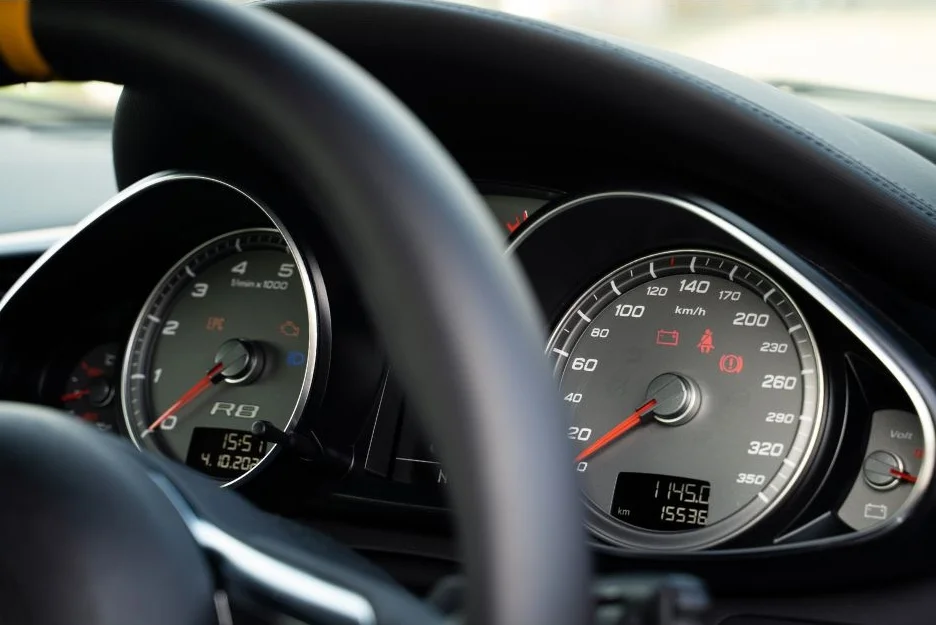
When you want to buy a used car from Japan, one of the common denominators tends to be the low mileage. These Japanese cars are very affordable, and them coming with low mileage is the icing on the cake. Having fewer miles than expected, especially on an older vehicle, does help a lot more than expected.
But why exactly do Japanese used cars have such low mileage? Here are the main reasons.
1. The Shaken Law: Japan's Strict Vehicle Inspection System
The Shaken law was introduced in Japan in the 1950s. The idea was to provide a mandatory inspection system. It's required to check the car every 2 years, to ensure that the car is safe to drive on the road and there aren't any type of illegal changes made to the car.
Due to the Shaken law, people just don't want to have too many miles on the car, because they will be forced to do expensive repairs. So they are much better off buying a newer car and selling the old one. In fact, after 4-5 years, people tend to sell their cars due to the Shaken law.
That also means used cars in Japan tend to have a lower price. In fact, the Japanese car market is one of the most affordable ones in Asia. It's not hard to find a used car from Japan that has been maintained very well, yet sells at a very affordable price.
2. Compact Cities and Short Driving Distances
Cities in Japan are compact and dense, and destinations tend to be close together. Most people use their cars for shopping and countryside visits. Commutes are not very long, and there are alternative methods of transportation available.
The average Japanese driver covers only 5,000-7,000 kilometers per year, compared to 13,500 km in the United States or 11,000 km in Kenya.
3. High Cost of Car Ownership in Japan
Aside from the Shaken law, there are other things that increase the costs of car ownership, especially as it gets older. Parking spots are expensive, so that adds up as well.
In Japan, you can't buy a car without showing a parking certificate in your name which proves that you have a parking space for the vehicle. Also, renting fees for the parking space can reach over $600 monthly in big cities like Tokyo, Osaka, or similar. The exception would be Kei cars which have smaller, 660cc engines.
Monthly car ownership costs in Japan include parking space ($200-600+), Shaken inspection every 2 years ($400-800), annual tax ($50-300 based on engine size), and compulsory insurance ($100-200 per year).
4. World-Class Public Transportation System
Japan has a great public transportation system, so you don't always need a car. Granted, it always depends on your lifestyle and other factors. But in general, Japan is known for having one of the best public transportation systems in the world.
Trains, subways, and buses connect every corner of the country efficiently. Many Japanese people living in major cities like Tokyo, Osaka, or Yokohama don't own cars at all, relying entirely on public transit.
5. Cultural Attitude Towards Vehicle Maintenance
There's also the cultural attitude towards cars in Japan. People have an appreciation for vehicles; they want to keep them well-maintained. Regular servicing, careful driving, and proper storage are cultural norms.
Japanese owners take pride in keeping their cars in excellent condition, which means when these vehicles reach the export market, they're often in better shape than locally used cars in other countries.
6. Preference for Newer Models with Latest Features
Domestic buyers always prefer to go with the newer car models, mostly due to newer features and convenience. Technology advances quickly in Japan, and many owners upgrade every 3-5 years to access better fuel efficiency, advanced safety features like collision avoidance and lane assist, improved infotainment systems, and hybrid or electric options.
That's why the Japan export market for vehicles is thriving and has been doing so for decades.
7. Kei Cars: A Unique Japanese Solution
Japan has a special class of vehicles called Kei cars (light automobiles) with engines under 660cc. These cars get significant tax breaks, cheaper insurance, and parking benefits. Many Japanese owners choose Kei cars for city driving, keeping their mileage even lower.
Conclusion: A Win-Win for Everyone
All in all, Japanese people have many reasons to sell their cars a few years after buying them. That's why the Japan export market is thriving, especially when we talk about used cars.
The Shaken law, high costs of car ownership, and the local lifestyle show that it makes a lot of sense for locals to just sell their car, which is a great opportunity for international car buyers to purchase a Japanese vehicle.
So, in the end, it's a win-win situation for everyone. Importers get high-quality, low-mileage vehicles at affordable prices, and Japanese sellers can upgrade to newer models without the burden of high ownership costs.